

Have you thought about installing solar panels on your roof to create electricity? Do you wonder what it will cost and what the benefits are? Read on!
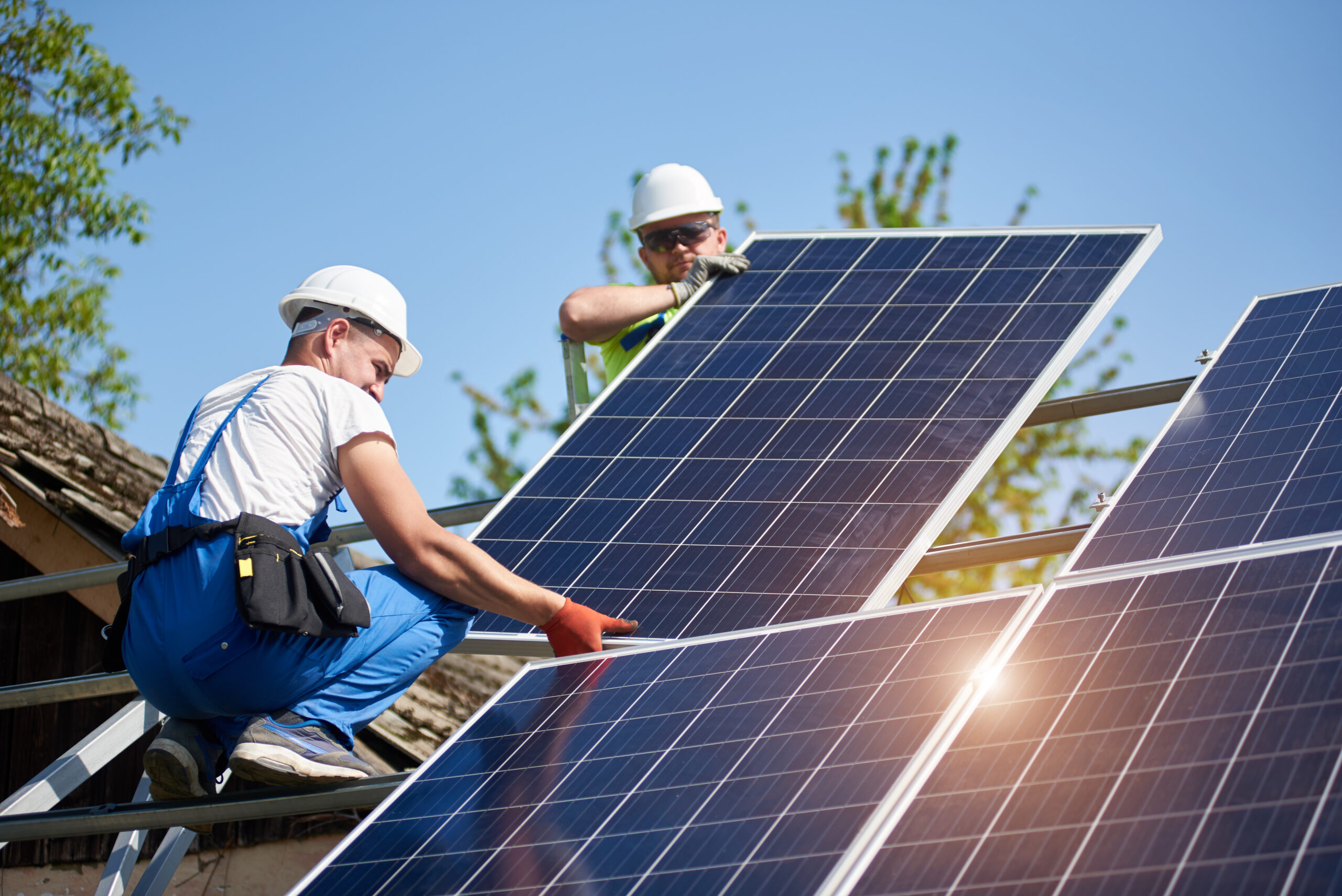
Homeowners in Southwest Florida have several options for installing residential solar power. The most common approach is a rooftop photovoltaic (PV) system, where solar panels are mounted on the roof and connected to an inverter that converts the electricity for household use. Some homeowners also install solar systems with battery storage, which allows excess power generated during the day to be stored and used at night or during power outages—an increasingly attractive feature in hurricane-prone areas.
The cost of residential solar in Florida typically ranges from about $20,000 to $40,000 for an average 8–9 kW system, depending on equipment quality, system size, and installation complexity. With abundant sunshine—often more than 5 peak sun hours per day—many Florida systems pay for themselves in roughly 6–10 years through reduced electricity bills.
Beyond financial savings, residential solar power offers meaningful environmental and energy benefits. Solar systems generate electricity without producing greenhouse gases or air pollution, helping reduce dependence on fossil fuels and lowering a household’s carbon footprint. Over the typical 25-year life of a solar system, a home can avoid many tons of carbon emissions while producing clean, renewable energy. Solar also improves energy resilience, particularly when paired with battery storage, by allowing homeowners to maintain power during grid outages or storms—an important consideration in Southwest Florida’s climate.
What are your options?
There are three main options for how the system is owned and financed: a homeowner owns the equipment, a solar loan, or a third-party arrangement where the solar company owns the system.
1. Homeowner Ownership – The homeowner purchases the solar system outright and owns the equipment installed on the roof. This option has the highest upfront cost but usually provides the greatest long-term savings, because the homeowner receives all available incentives, including the federal solar tax credit and Florida’s property-tax and sales-tax exemptions. The homeowner also benefits fully from reduced electric bills and any net-metering credits for excess electricity sent back to the utility grid.
2. Solar Loan Financing – Instead of paying cash, many homeowners finance the system through a solar loan, similar to a home improvement loan. The homeowner still owns the system and qualifies for tax incentives, but spreads the cost over monthly payments, often for 10–20 years. In many cases, the monthly loan payment can be comparable to or lower than the household’s previous electric bill, allowing homeowners to transition to solar with little or no upfront investment.
3. Third-Party Ownership (Lease or Power Purchase Agreement) – In this model, a solar company installs and owns the system, and the homeowner either leases the equipment or agrees to buy the electricity it produces through a Power Purchase Agreement (PPA). The homeowner typically pays little or nothing upfront but instead makes a fixed monthly lease payment or pays a set rate per kilowatt-hour of electricity generated. Because the solar company owns the system, it receives the tax incentives and is responsible for maintenance, while the homeowner benefits from predictable energy costs and potentially lower electric bills.
Look around Verandah and you will see an increasing number of rooftop solar panels. Homeowners are seeing the advantages. The VCA office and the Design Review Committee can help you understand Verandah’s solar power requirements.
A homeowner’s experience
Dick Macko (a homeowner in Palmetto Grove) chose to have solar installed because it would reduce his annual electricity fee to about $25/month. He owns the panels and all of the energy created goes into the grid. He is paid by the power company for what he contributes. (The timing was great because he was having a new roof installed.) The payback on his $42,000 investment (reduced to $29,000 after tax credits) is 8-9 years.